Transparent contact
Reach us at question@antiageenergbeau.world or +1 (601) 427-0777. Mailing address: 272 S Perkins St Ste 100, Ridgeland, MS 39157, USA.

Educational content only — not medical advice. Terms · Privacy · Your Privacy Choices
Learn how to build balanced plates, plan weekly menus, and explore diverse foods with clear, educational guidance designed for U.S. households. No medical promises — just realistic kitchen habits.
This website provides general lifestyle and nutrition education only. It is not medical, dietary, or professional health advice. Always consult a qualified healthcare provider before changing your diet.
Rotating proteins, whole grains, and colorful produce may help you cover a wider range of vitamins and minerals without turning dinner into a spreadsheet. We focus on approachable swaps — adding beans on taco night, trying a new leafy green, or batch-cooking grains — so variety feels doable, not overwhelming. Portions and needs differ by person, activity, and life stage; treat our examples as starting points you can adjust with a registered dietitian or physician if you have health conditions.
Our materials explain how to read labels, estimate portions, and pair foods for steady energy. We do not diagnose conditions, prescribe diets, or claim specific health outcomes. Educational content is reviewed for clarity, not as a substitute for licensed care.
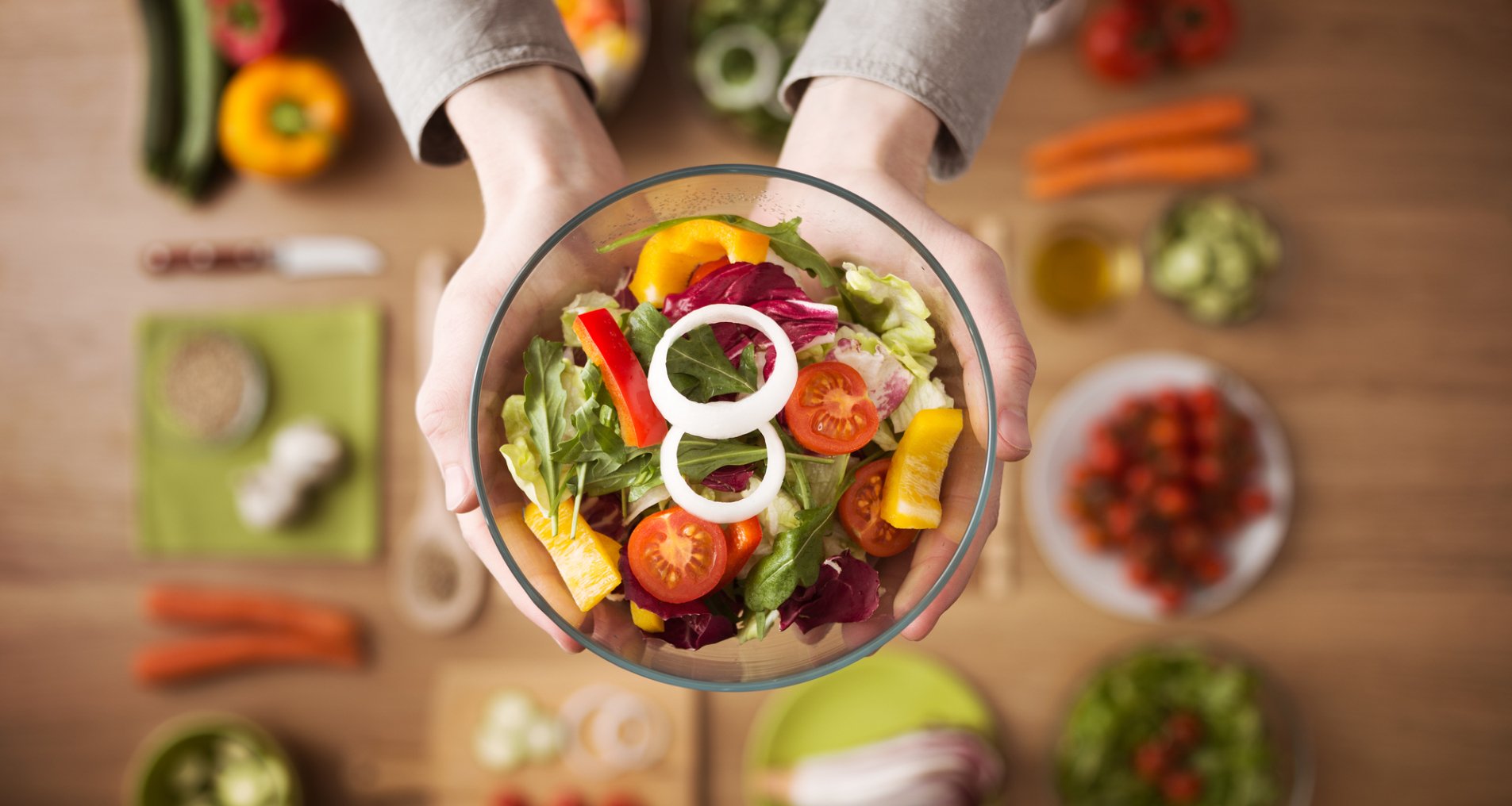
Tap a photo to read a short caption. Images show sample ideas only; calories vary by brand and portion.
Selected idea: Mediterranean-style bowl: greens, olive oil, chickpeas, and herbs for fiber and healthy fats.
We are a U.S.-based educational resource for meal planning and food variety. We are not a hospital, telehealth clinic, or supplement seller. Paid optional guidance sessions (if offered) are described clearly before purchase; prices, billing, and cancellation terms appear in our Terms of Use.
Reach us at question@antiageenergbeau.world or +1 (601) 427-0777. Mailing address: 272 S Perkins St Ste 100, Ridgeland, MS 39157, USA.
California and other U.S. state privacy rights are explained in our Privacy Policy. We honor Global Privacy Control (GPC) signals where applicable.
We do not promise weight loss, cures, or doctor endorsements. Content is general education.
If you arrived via Google Ads, the ad reflects educational services only. See cookie choices in our Cookie Policy.
Understanding approximate calorie ranges can help you plan satisfying meals. Numbers below are illustrative for average active adults and are not prescriptions. Adjust for your goals with qualified professionals.
Smaller portions, more vegetables, lean proteins. Useful when activity is lower.
Balanced plates with whole grains, dairy or alternatives, and two snacks.
Extra whole grains or legumes and post-activity snacks; hydrate consistently.
Track trends, not single meals. If you manage diabetes, kidney disease, pregnancy, or eating disorders, work with your care team before changing intake. Our site does not provide individualized medical nutrition therapy.

See our recipe library for worked examples with nutrient highlights.
Menu is a teaching example. Calorie and nutrient totals vary by brand, portion, and preparation. Not for therapeutic diets.
Combining protein (Greek yogurt, eggs, fish, tofu, beans) with fiber-rich foods (oats, lentils, berries, vegetables) may help you feel satisfied between meals. This is general wellness education — not a treatment for any disease. Athletes, older adults, and people with medical conditions need personalized plans from licensed professionals.
Try practical pairs: apple + peanut butter, whole-grain crackers + cheese, roasted chickpeas + salad, or cottage cheese + pineapple. Adjust portions to your appetite and activity.